- English
- Español
- Português
- русский
- Français
- 日本語
- Deutsch
- tiếng Việt
- Italiano
- Nederlands
- ภาษาไทย
- Polski
- 한국어
- Svenska
- magyar
- Malay
- বাংলা ভাষার
- Dansk
- Suomi
- हिन्दी
- Pilipino
- Türkçe
- Gaeilge
- العربية
- Indonesia
- Norsk
- تمل
- český
- ελληνικά
- український
- Javanese
- فارسی
- தமிழ்
- తెలుగు
- नेपाली
- Burmese
- български
- ລາວ
- Latine
- Қазақша
- Euskal
- Azərbaycan
- Slovenský jazyk
- Македонски
- Lietuvos
- Eesti Keel
- Română
- Slovenski
- मराठी
- Srpski језик

How Can a TV Lift Stand Make Modern Spaces Work Smarter?
Article Summary: A TV Lift Stand is no longer just a moving bracket for hiding or raising a screen. For meeting rooms, hotels, homes, training centers, retail displays, and multi-purpose commercial spaces, it helps solve several practical problems at once: limited wall space, poor viewing angles, messy cables, fixed furniture layouts, and the need for a cleaner visual environment. This article explains how a TV Lift Stand works, where it fits best, what buyers should compare before choosing one, and why a reliable supplier such as Guangzhou Junnan Audiovisual Technology Co,.Ltd. can support projects that require stable lifting performance, neat installation, and long-term usability.
Table of Contents
- 1. Why Does a TV Lift Stand Matter in Modern Rooms?
- 2. What Problems Can a TV Lift Stand Help Buyers Solve?
- 3. Which Spaces Benefit Most from a TV Lift Stand?
- 4. What Should Buyers Check Before Choosing a TV Lift Stand?
- 5. How Does a TV Lift Stand Compare with Fixed Mounting?
- 6. What Details Improve Daily Use and Installation?
- 7. FAQ About TV Lift Stand Selection
- 8. Final Thoughts
Article Outline
- Understand the real-life pain points behind screen placement and room design.
- Explain how a TV Lift Stand supports flexible viewing, cleaner interiors, and safer equipment use.
- Compare common installation scenarios for homes, offices, hotels, and public spaces.
- List practical buying factors such as screen size, load capacity, lifting height, stability, noise level, cable routing, and control method.
- Answer common buyer questions before procurement or project planning.
Why Does a TV Lift Stand Matter in Modern Rooms?
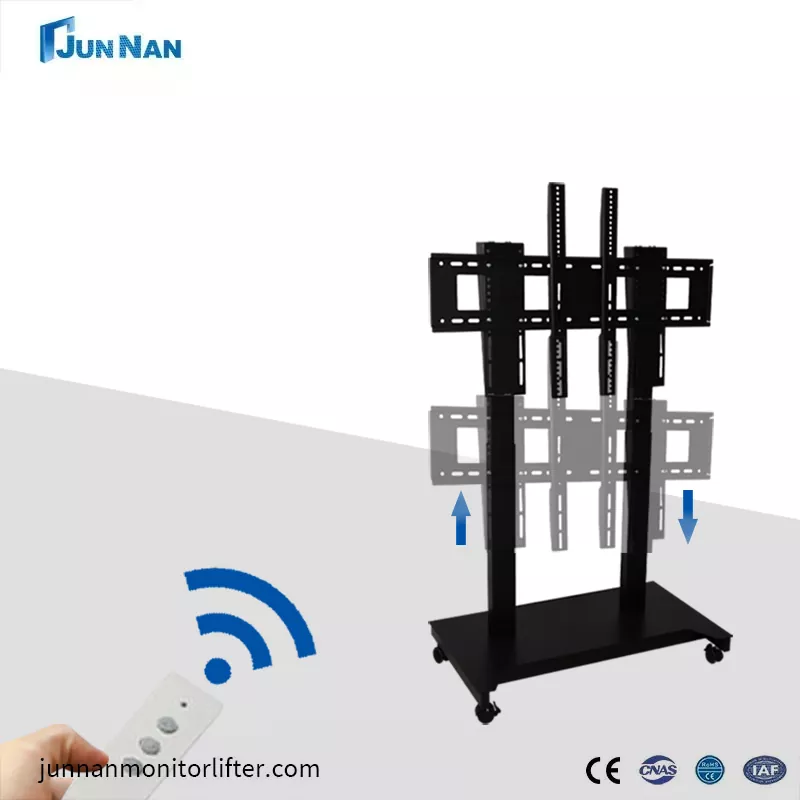
A screen should make a room easier to use, not harder to arrange. Yet in many projects, the TV becomes the most awkward item in the space. It blocks a window, occupies a wall that could have been used for decoration, forces people to sit in one fixed direction, or leaves visible cables running behind furniture. In commercial interiors, the problem becomes even more obvious because every object must serve both function and presentation.
This is where a TV Lift Stand becomes useful. Instead of forcing the screen to stay in one exposed position, the lift stand allows the display to move up and down according to the actual use of the room. When the screen is needed, it can rise to a suitable viewing height. When it is not needed, it can lower out of sight or return to a more discreet position. The result is a cleaner room, a more flexible layout, and a more professional experience for users.
For buyers, the value is not only visual. A good TV Lift Stand can help protect the screen, improve viewing comfort, reduce clutter, and allow one room to serve multiple purposes. In a conference room, the same area can support presentations, internal discussions, video meetings, and formal receptions. In a home, the living room can stay elegant without permanently displaying a large black screen. In hotels and showrooms, the screen can appear only when it adds value to the guest or visitor experience.
What Problems Can a TV Lift Stand Help Buyers Solve?
Many customers start looking for a TV Lift Stand because they are not satisfied with ordinary TV placement. They may not describe the problem in technical language, but their concerns are usually very practical: the room looks crowded, the screen position is uncomfortable, the furniture cannot be changed easily, or the installation needs to look more high-end.
A well-designed lift stand can solve these pain points in several ways:
- It saves visible space. The screen does not have to dominate the room all day. This is especially useful for executive offices, luxury apartments, reception areas, and multi-function rooms.
- It improves viewing height. Users can raise the screen to a more comfortable level instead of adjusting their posture around a fixed installation.
- It supports flexible room layouts. A movable lifting structure gives designers more freedom than traditional wall mounting.
- It helps protect the display. When lowered or stored, the TV is less exposed to accidental impact, dust, or unnecessary handling.
- It creates a cleaner impression. Hidden or organized cables, controlled movement, and a neat installation make the whole space feel more polished.
For procurement teams, these advantages matter because they connect directly to user satisfaction. A product may look simple from the outside, but daily experience depends on details such as lifting smoothness, structural stability, motor noise, installation accuracy, and whether the stand can support the required TV size safely.
Which Spaces Benefit Most from a TV Lift Stand?
A TV Lift Stand is suitable for more than one type of environment. Its strongest advantage appears in places where the screen is important, but should not always be visually dominant. That makes it useful in both residential and commercial projects.
In meeting rooms, the lift stand helps create a more organized presentation environment. The screen can rise when sharing content and lower when the table is used for discussion, signing, or formal reception. This is especially useful for offices that want a clean executive style without sacrificing display function.
In training rooms and lecture spaces, a TV Lift Stand can improve visibility for different seating arrangements. Instead of depending only on fixed wall placement, the display can be positioned to support different presentation needs. For companies that hold frequent internal training or client demonstrations, this flexibility can make the room easier to manage.
In homes, the lift stand is often chosen for design reasons. Many homeowners want a large screen, but they do not want the screen to become the center of the entire room. A lifting solution allows the entertainment function to remain available without disturbing the overall interior style.
Hotels, clubs, showrooms, and reception areas can also benefit from this solution. In these spaces, appearance matters as much as function. A screen that rises smoothly can create a premium feeling, while a hidden or lowered screen keeps the environment clean when digital content is not needed.
What Should Buyers Check Before Choosing a TV Lift Stand?
Choosing a TV Lift Stand should not be based only on appearance. The wrong model may create shaking, noise, limited lifting travel, poor cable management, or installation problems. Before placing an order, buyers should compare the product against the actual site conditions.
| Selection Factor | Why It Matters | Buyer Tip |
|---|---|---|
| TV Size Compatibility | The stand must match the dimensions and mounting pattern of the display. | Confirm screen size, VESA pattern, and installation space before ordering. |
| Load Capacity | An overloaded stand may move unevenly or become unsafe over time. | Choose a model with enough margin beyond the actual TV weight. |
| Lifting Height | The final viewing position should fit the room and seating layout. | Measure eye level, furniture height, and hidden storage depth. |
| Motor Performance | Smooth and quiet movement improves the user experience. | Ask about lifting speed, noise level, and long-term working stability. |
| Structural Stability | The screen should remain steady during and after lifting. | Check the frame design, base support, and anti-shaking structure. |
| Control Options | Different spaces may need remote control, wall switch, or system integration. | Match the control method with the daily operating habits of the room. |
| Cable Management | Messy cables reduce safety and damage the visual effect. | Plan power and signal cable routes before final installation. |
Buyers should also consider after-sales support. A TV Lift Stand is a moving product, not just a static bracket. If it is used in a conference room, hotel, school, or public area, reliable service and clear communication are important. Working with a manufacturer that understands audiovisual installation can reduce mistakes during selection and project planning.
How Does a TV Lift Stand Compare with Fixed Mounting?
Fixed wall mounting is simple and cost-effective, but it is not always the best answer. Once the TV is mounted, the position is difficult to change. If the room layout changes, the screen may no longer fit the space. If the wall is not suitable for drilling, installation becomes more complicated. If the design requires a hidden screen, fixed mounting cannot provide that effect.
A TV Lift Stand gives the room more control. It allows the screen to become active only when needed. This difference is especially important in spaces where appearance, flexibility, and presentation quality all matter.
| Item | TV Lift Stand | Fixed Wall Mount |
|---|---|---|
| Visual Cleanliness | Can hide or lower the screen when not in use. | Screen remains visible at all times. |
| Room Flexibility | Better for multi-purpose spaces. | Best for rooms with one fixed function. |
| Installation Freedom | Useful when wall mounting is not ideal. | Requires a suitable wall and fixed position. |
| User Experience | Adjustable movement creates a more dynamic experience. | Simple and stable, but less flexible. |
| Design Value | Supports hidden, premium, and space-saving interiors. | Works well for basic display needs. |
This does not mean every project must use a lift stand. For a simple room where the screen is always needed, fixed mounting may be enough. But when buyers want a balance between function and aesthetics, a TV Lift Stand can offer a stronger long-term solution.
What Details Improve Daily Use and Installation?
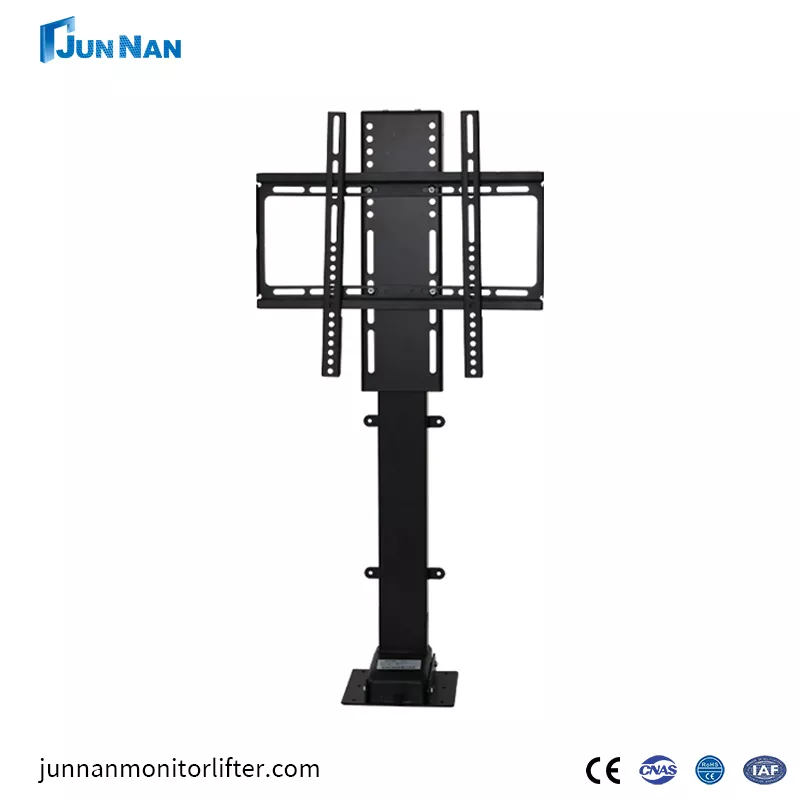
The real quality of a TV Lift Stand is often felt after installation. A product may look acceptable in photos, but daily use will quickly reveal whether the structure is stable, the motor is smooth, and the design is practical. For project buyers, these small details can determine whether the installation feels professional or troublesome.
One important detail is the lifting motion. The screen should move smoothly without sudden shaking. In formal spaces such as meeting rooms, executive offices, and hotels, noisy or unstable movement can weaken the entire presentation. A quiet and controlled lifting process makes the equipment feel more refined.
Another detail is cable planning. Power cables, HDMI cables, network cables, and control wires must move safely with the lifting structure. If the cables are too short, too tight, or poorly organized, they may affect operation or create maintenance issues. Good cable management makes the installation safer and easier to maintain.
The installation environment also matters. A TV Lift Stand may be used inside furniture, behind a cabinet, near a conference table, or as part of a display system. Each application requires different space planning. Buyers should confirm the hidden depth, lifting clearance, nearby obstacles, and maintenance access before production or installation begins.
Guangzhou Junnan Audiovisual Technology Co,.Ltd. works in the audiovisual equipment field, where product selection often depends on real installation scenarios rather than simple catalog pictures. For buyers planning meeting rooms, display areas, training spaces, or customized interiors, this kind of project awareness is valuable because it helps avoid mismatched product choices.
Practical reminder: Before confirming a TV Lift Stand order, prepare the TV model, screen size, weight, installation drawing if available, preferred lifting height, and control method. These details help the supplier recommend a more suitable solution.
FAQ About TV Lift Stand Selection
Q1: Is a TV Lift Stand only suitable for luxury interiors?
No. Although it is often used in premium spaces, a TV Lift Stand is also practical for offices, classrooms, training rooms, hotels, showrooms, and homes where flexible screen placement is needed.
Q2: Can a TV Lift Stand support different TV brands?
In many cases, yes, but buyers should confirm the TV size, weight, and mounting pattern before selection. Compatibility should always be checked before purchase.
Q3: Does the lifting movement make noise?
Noise level depends on motor design, structure quality, and installation accuracy. For meeting rooms and hotel spaces, buyers should choose a lift stand designed for smooth and quiet operation.
Q4: Is cable management important for a TV Lift Stand?
Yes. Since the TV moves during lifting and lowering, cables must be arranged carefully. Proper cable routing helps prevent pulling, bending, or signal interruption.
Q5: Should I choose a TV Lift Stand instead of a wall mount?
Choose a wall mount if the screen will stay visible and fixed all the time. Choose a TV Lift Stand if you need hidden installation, adjustable height, better space use, or a cleaner interior effect.
Q6: What information should I provide before asking for a quotation?
It is best to provide the TV size, TV weight, installation location, required lifting height, project quantity, control preference, and any drawing or photo of the site. This helps the supplier respond more accurately.
Final Thoughts
A TV Lift Stand is not just a decorative upgrade. It is a practical solution for people who want better space control, cleaner interiors, safer screen placement, and more flexible viewing. Whether the project is a modern conference room, a hotel suite, a private home, a classroom, or a commercial display area, the right lifting system can make the screen feel like part of the room instead of an obstacle inside it.
The best choice depends on careful matching. Buyers should not only ask whether the stand can lift a TV. They should ask whether it can lift the right TV, in the right space, to the right height, with stable movement and reliable daily performance. That is where careful product selection becomes more important than simply comparing prices.
For project buyers, contractors, designers, and distributors looking for a practical lifting display solution, Guangzhou Junnan Audiovisual Technology Co,.Ltd. can provide support for TV Lift Stand selection and audiovisual space planning. If you are preparing a meeting room, display project, hotel installation, or customized interior solution, share your screen size, installation needs, and project details with the team today. For a suitable product recommendation and quotation, please contact us.