- English
- Español
- Português
- русский
- Français
- 日本語
- Deutsch
- tiếng Việt
- Italiano
- Nederlands
- ภาษาไทย
- Polski
- 한국어
- Svenska
- magyar
- Malay
- বাংলা ভাষার
- Dansk
- Suomi
- हिन्दी
- Pilipino
- Türkçe
- Gaeilge
- العربية
- Indonesia
- Norsk
- تمل
- český
- ελληνικά
- український
- Javanese
- فارسی
- தமிழ்
- తెలుగు
- नेपाली
- Burmese
- български
- ລາວ
- Latine
- Қазақша
- Euskal
- Azərbaycan
- Slovenský jazyk
- Македонски
- Lietuvos
- Eesti Keel
- Română
- Slovenski
- मराठी
- Srpski језик

What Makes an Electronic Door Plate Useful for Modern Meeting Rooms?
A modern meeting room is no longer judged only by its table, chairs, projector, or display screen. For many offices, hotels, universities, government buildings, and conference centers, the real challenge begins before people even enter the room. Teams need to know whether the room is available, who has booked it, when the current meeting will end, and whether the next session is already scheduled. An Electronic Door Plate helps solve these daily problems by turning the entrance of a meeting room into a clear, digital information point.
This article explains how an Electronic Door Plate improves room visibility, reduces scheduling confusion, supports a more professional workplace image, and helps organizations manage meeting spaces with less manual work. It also discusses selection points for buyers who want reliable, practical, and visually clean door signage for conference rooms and office environments.
Article Summary
An Electronic Door Plate is a digital display installed outside meeting rooms, offices, conference halls, classrooms, or executive rooms to show room names, meeting schedules, occupancy status, reservation details, and other useful information. Compared with traditional printed signs, it can update information faster, present a cleaner image, and help users avoid interrupting meetings by checking room availability at the door. For organizations that rely on frequent meetings, shared spaces, and professional visitor reception, it is a practical upgrade that improves both efficiency and experience.
Table of Contents
- Article Outline
- Why Does Meeting Room Management Need Digital Door Signage?
- Which Problems Can an Electronic Door Plate Solve?
- What Features Should Buyers Pay Attention To?
- Which Places Can Use an Electronic Door Plate?
- What Is the Difference Between Traditional Signs and Digital Door Plates?
- How Should Organizations Choose the Right Electronic Door Plate?
- FAQ
- Conclusion
Article Outline
- Understand why meeting room information needs to be visible at the entrance.
- Identify the daily pain points caused by unclear room status and manual signage.
- Review important product features such as display clarity, reservation information, remote management, and installation suitability.
- Compare digital door plates with traditional printed signs.
- Learn how to choose a practical solution for offices, hotels, schools, and conference venues.
- Answer common buyer questions before purchasing.
Why Does Meeting Room Management Need Digital Door Signage?
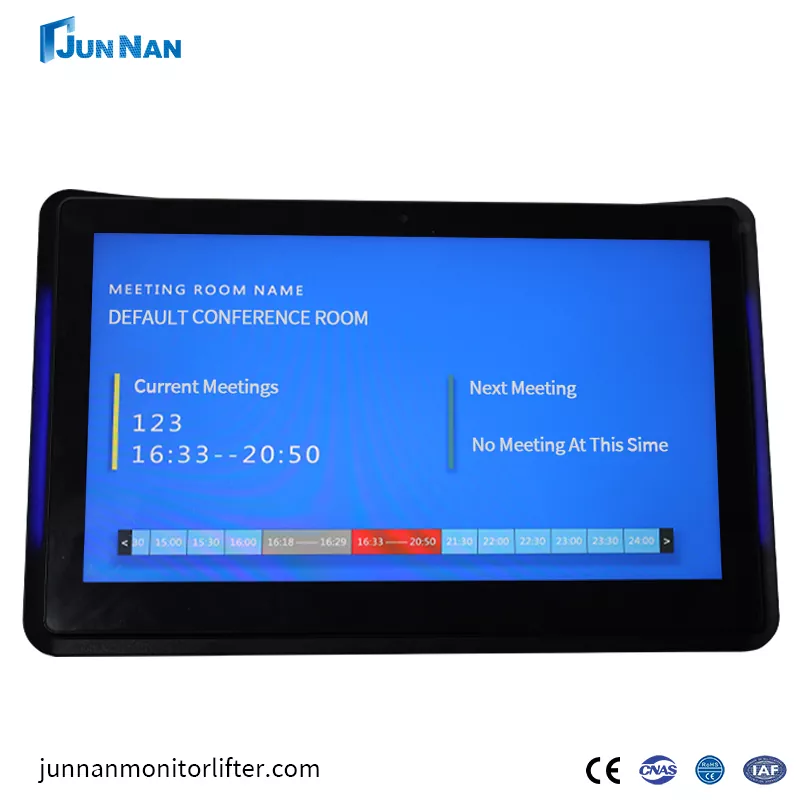
In many workplaces, meeting rooms are shared by multiple departments. A room may be booked by the sales team in the morning, used for internal training after lunch, and reserved for a client presentation in the afternoon. When room information is not displayed clearly, people waste time asking colleagues, opening calendars, checking reception desks, or walking into the wrong room by mistake.
An Electronic Door Plate places key room information directly where people need it most: outside the room. Instead of relying on paper signs, handwritten notices, or verbal reminders, users can quickly see whether the space is occupied, available, or reserved for the next meeting. This simple visibility can make the entire meeting process feel smoother.
For visitor-facing areas, the value is even greater. A client who arrives for a scheduled presentation expects a professional experience. A digital door sign showing the meeting name, company logo, time slot, or room status creates a stronger first impression than a paper sign taped beside the door. It quietly tells visitors that the organization pays attention to details.
Which Problems Can an Electronic Door Plate Solve?
The biggest advantage of an Electronic Door Plate is not that it looks modern. The real value is that it helps reduce repeated small problems that disturb daily work. These problems may look minor at first, but they can create frustration across a busy office.
- Unclear room availability: Staff may not know whether a room is free, occupied, or about to be used.
- Meeting interruptions: People may open the door to check whether the room is empty, disturbing an ongoing discussion.
- Manual sign replacement: Printed signs need to be changed repeatedly, especially in venues with frequent events.
- Inconsistent reception experience: Visitors may feel confused if the room name or schedule is not easy to identify.
- Poor use of shared spaces: Without clear status information, rooms may remain empty even when others are looking for space.
By showing real-time or scheduled information at the entrance, the digital door plate helps users make decisions quickly. They can enter, wait, find another room, or contact the organizer without unnecessary back-and-forth communication.
What Features Should Buyers Pay Attention To?
Buyers often compare design, screen size, installation method, and control options when selecting an Electronic Door Plate. However, the best choice depends on the actual use scenario. A compact office may need simple room status display, while a conference center may need centralized management for many rooms.
| Feature | Why It Matters | Buyer Benefit |
|---|---|---|
| Clear display | Room names, meeting times, and status must be readable at a glance. | Reduces confusion and improves user experience. |
| Meeting information display | Users can see schedule details without opening a separate system. | Makes meeting arrangements more transparent. |
| Remote control or centralized management | Administrators can update information without walking to each room. | Saves labor in offices, hotels, schools, and venues. |
| Stable power supply | Digital signage must run reliably during working hours. | Supports long-term operation with fewer interruptions. |
| Professional appearance | The device becomes part of the room entrance design. | Enhances the overall image of the workplace. |
Guangzhou Junnan Audiovisual Technology Co,.Ltd. provides audiovisual and conference-related products for modern office and meeting environments. For buyers evaluating an Electronic Door Plate, it is worth considering not only the screen itself, but also how the device fits into the broader meeting room system, including display equipment, conference terminals, control devices, and room management habits.
Which Places Can Use an Electronic Door Plate?
An Electronic Door Plate can be used in many spaces where room information changes frequently. It is especially suitable for places that need a cleaner and more organized way to show meeting or room status.
- Corporate offices: Display meeting room schedules, department reservations, and room availability.
- Executive meeting areas: Create a professional entrance for boardrooms and senior management rooms.
- Hotels and conference centers: Show event names, session times, and guest guidance information.
- Universities and training centers: Display classroom arrangements, seminar schedules, and training room usage.
- Government and public institutions: Improve room identification and guide visitors more efficiently.
- Hospitals and service facilities: Support consultation rooms, administrative meeting spaces, and staff training areas.
In each case, the core purpose is similar: make room information visible, reliable, and easy to update. When people can understand room status immediately, the whole environment feels more orderly.
What Is the Difference Between Traditional Signs and Digital Door Plates?
Traditional signs are simple and inexpensive, but they are not flexible. Once a printed sign is installed, it can only show fixed information. If a room changes function, if a meeting is rescheduled, or if an event name needs to be updated, someone must replace the sign manually.
A digital solution is different. An Electronic Door Plate can show changing information in a more dynamic way. It can support meeting names, room status, time schedules, and other display content depending on the system configuration. This makes it more suitable for modern workplaces where schedules change quickly.
| Item | Traditional Door Sign | Electronic Door Plate |
|---|---|---|
| Information update | Manual replacement | Digital update depending on system setup |
| Visual impression | Basic and fixed | Modern, clean, and professional |
| Meeting schedule display | Limited or unavailable | Can show schedule and room status |
| Best use case | Fixed room names | Frequently used meeting and conference rooms |
For rooms that rarely change, a traditional sign may be enough. But for shared rooms, client-facing rooms, and busy conference areas, a digital door plate gives users more useful information and saves time for administrators.
How Should Organizations Choose the Right Electronic Door Plate?
Choosing the right Electronic Door Plate should begin with actual room usage. Before comparing models, buyers should ask how many rooms need signage, how often meeting information changes, who will manage the system, and what type of visual style matches the building.
For a small office, simple display and easy operation may be the top priority. For a large venue, centralized control, consistent appearance, and stable long-term operation may matter more. For executive rooms and high-end reception areas, the design should also match the interior decoration and brand image.
- Check whether the display size is suitable for the viewing distance outside the room.
- Confirm whether the content layout can show the most important room information clearly.
- Consider how administrators will update schedules or room details.
- Review installation requirements before confirming the purchase.
- Make sure the product appearance matches the office, hotel, or conference environment.
- Choose a supplier that understands conference room scenarios, not just display hardware.
A well-chosen electronic door plate should not create extra work. It should make room management easier, reduce uncertainty, and improve the way people move through the workplace.
FAQ
What is an Electronic Door Plate used for?
It is used to display room names, meeting schedules, occupancy status, reservation information, and other details outside a room. It helps users understand whether a meeting room or office space is available without interrupting people inside.
Is an Electronic Door Plate only suitable for large companies?
No. Large companies may use it across many meeting rooms, but small and medium-sized offices can also benefit from clearer room information and a more professional reception experience.
Can an Electronic Door Plate improve visitor experience?
Yes. Visitors can find the right room more easily when meeting names, room numbers, and schedules are displayed clearly. This is especially useful for conference centers, hotels, training facilities, and customer reception areas.
Does a digital door plate replace a meeting room booking system?
It does not necessarily replace the booking system. Instead, it can work as the visible entrance display for room information. The exact function depends on the product configuration and how the organization manages reservations.
Why should buyers consider supplier experience?
A supplier familiar with audiovisual and conference environments can better understand installation scenarios, user habits, display needs, and the overall room experience. This is helpful when selecting products for real workplace use.
Conclusion
An Electronic Door Plate is a small device with a noticeable impact on daily room management. It helps people see room status before entering, reduces unnecessary interruptions, improves schedule visibility, and creates a more polished impression for visitors. For organizations that depend on meeting rooms, shared spaces, training areas, and conference facilities, this type of digital signage can bring practical value beyond appearance.
Guangzhou Junnan Audiovisual Technology Co,.Ltd. offers products designed for modern meeting and audiovisual environments, helping offices and public venues create cleaner, smarter, and more convenient room experiences. If you are planning to upgrade meeting room signage or need a suitable Electronic Door Plate for your project, please contact us to discuss your requirements and receive a practical product recommendation.