- English
- Español
- Português
- русский
- Français
- 日本語
- Deutsch
- tiếng Việt
- Italiano
- Nederlands
- ภาษาไทย
- Polski
- 한국어
- Svenska
- magyar
- Malay
- বাংলা ভাষার
- Dansk
- Suomi
- हिन्दी
- Pilipino
- Türkçe
- Gaeilge
- العربية
- Indonesia
- Norsk
- تمل
- český
- ελληνικά
- український
- Javanese
- فارسی
- தமிழ்
- తెలుగు
- नेपाली
- Burmese
- български
- ລາວ
- Latine
- Қазақша
- Euskal
- Azərbaycan
- Slovenský jazyk
- Македонски
- Lietuvos
- Eesti Keel
- Română
- Slovenski
- मराठी
- Srpski језик

What Makes a Sound System Worth Buying for Modern Commercial Spaces?
Article Summary
Choosing the right Sound System is not just about volume. Buyers today care about voice clarity, stable performance, simple control, clean installation, and long-term value. In this article, I break down what really matters when selecting a professional audio solution for conference rooms, training centers, lecture halls, multi-function spaces, and other business environments. I also explain how to avoid common purchasing mistakes, what features deserve attention, and why a practical, well-matched system often performs better than an oversized one. Along the way, I naturally introduce Guangzhou Junnan Audiovisual Technology Co,.Ltd. as a manufacturer serving buyers who need reliable audiovisual solutions with real-world usability in mind.
Table of Contents
- Outline
- What do buyers actually expect from a Sound System today?
- Why do so many Sound System purchases end in frustration?
- Which Sound System features matter most in real use?
- How should I match a Sound System to different spaces?
- What separates a smart purchase from an expensive mistake?
- Why does the supplier matter as much as the product?
- FAQ
- What should buyers remember before making the final decision?
Outline
- I explain what modern buyers really want from a professional audio solution.
- I identify the most common pain points behind poor purchasing decisions.
- I show which technical and practical features deserve attention.
- I compare different business scenarios and how system needs change by space.
- I provide a practical buying framework to reduce risk and overspending.
- I discuss why working with an experienced supplier improves outcomes.
- I close with FAQs and a clear action path for decision-makers.
What do buyers actually expect from a Sound System today?
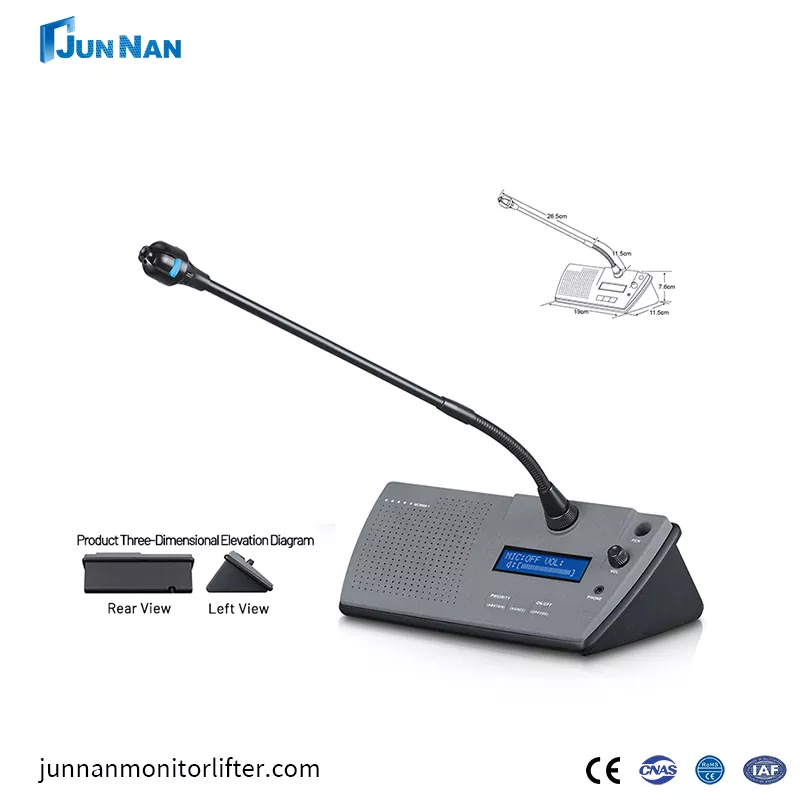
When I talk to people sourcing a Sound System for a business project, I rarely hear them say, “I just want the loudest option.” That sounds simple, but it almost never reflects how professionals make decisions. Most buyers are under pressure to solve practical problems. They want speech to be understood without strain. They want meetings to run without constant technical interruptions. They want equipment that does not look messy after installation. They want a solution that works for both daily use and occasional peak-demand events.
This is why the buying conversation has changed. A good system is no longer judged only by peak output. It is judged by whether it helps people communicate clearly in real environments. A boardroom needs a different balance than a lecture room. A training center needs different microphone behavior than a multi-purpose hall. A commercial buyer is not shopping for entertainment alone. They are buying efficiency, consistency, and peace of mind.
That is also where Guangzhou Junnan Audiovisual Technology Co,.Ltd. enters the conversation naturally. Buyers looking at professional audiovisual equipment are often trying to build a complete user experience, not just purchase a box with specifications. They need solutions that fit conference use, office training, speaking events, and integrated business environments. That practical perspective matters much more than flashy marketing language.
Simple truth: the best Sound System is usually the one that solves communication problems with the least friction, not the one with the longest feature sheet.
Why do so many Sound System purchases end in frustration?
Many disappointing purchases happen for one reason: buyers are pushed toward generic solutions for very specific spaces. On paper, the product may look strong. In practice, the room still has echo, microphone feedback, weak voice pickup, or difficult control settings that nobody wants to touch.
I have seen several recurring pain points come up again and again:
- Speech sounds muddy: People can hear sound, but they cannot clearly understand words.
- Microphone instability: Dropouts, interference, weak range, or inconsistent battery performance disrupt meetings.
- Complex operation: A system becomes useless when staff need technical support for every event.
- Poor scalability: Buyers discover too late that the setup cannot handle future expansion.
- Installation mismatch: Equipment works in theory but does not integrate smoothly into the room layout.
- Unbalanced budgeting: Too much money goes into headline specs and too little into actual usability.
Another common issue is that buyers focus on isolated components instead of workflow. A microphone may be good. A speaker may be good. A control panel may be good. But if they do not work together smoothly, the user experience still fails. In commercial spaces, the overall system relationship matters more than isolated product claims.
| Common Buyer Problem | What It Usually Looks Like | What It Causes |
|---|---|---|
| Choosing by price alone | Low upfront cost, little planning | Frequent replacement, poor user satisfaction |
| Choosing by power alone | Loud system, weak voice detail | Fatigue, complaints, poor meeting quality |
| Ignoring room conditions | No acoustic planning | Echo, feedback, inconsistent coverage |
| Ignoring operator needs | Too many controls, unclear interface | Daily misuse and avoidable downtime |
| Buying from the wrong supplier | Weak support before or after delivery | Risk, delays, and costly adjustments |
Which Sound System features matter most in real use?
Buyers often ask which specifications they should check first. My answer is always the same: start with what users will experience, then work backward into technical details. A business-grade Sound System should make operation easier, not more stressful.
Here are the features I believe matter most:
- Voice clarity: This is essential for conferences, training sessions, lectures, and presentations.
- Stable wireless performance: Especially important when microphones are moved or used by multiple speakers.
- Low background noise: Clean audio creates a more professional and less tiring environment.
- User-friendly control interface: Operators need quick adjustments without digging through confusing menus.
- Reliable power design: Stable power behavior supports consistent performance over long use cycles.
- Flexible input and output options: This helps with conferencing, telecommunication, recording, and future upgrades.
- Expandable configuration: A system should support growth instead of forcing a full replacement later.
For many buyers, microphone-related features deserve special attention because poor speaking pickup ruins the entire chain. Even if speakers are powerful, the result still disappoints if the source signal is weak, unstable, or noisy. That is why conference audio often succeeds or fails at the microphone and control level first.
I also think buyers should look at the human side of the system. Can staff use it after minimal training? Can a presenter focus on the audience rather than the technology? Can a facility manager trust it during important events? These questions reveal the true quality of a solution faster than a long technical brochure ever will.
How should I match a Sound System to different spaces?
One of the biggest mistakes in purchasing is assuming one format suits every room. It does not. The same Sound System strategy that works in a compact meeting room may fail completely in a lecture hall or flexible training area.
| Space Type | Main Priority | Recommended Focus |
|---|---|---|
| Boardroom | Speech clarity and simple control | Clear microphones, neat integration, low visual clutter |
| Training Room | Coverage and flexibility | Reliable wireless use, consistent voice pickup, easy switching |
| Lecture Hall | Projection and intelligibility | Balanced output, anti-feedback stability, audience-wide coverage |
| Multi-function Room | Adaptability | Configurable inputs, scalable operation, event-friendly control |
| Conference Center | System integration | Compatibility with conferencing, recording, and control systems |
This is why project planning matters so much. A buyer who understands the room’s actual function can avoid overbuying and underbuying at the same time. Not every commercial space needs the same complexity, but every commercial space does need a system designed around how people will actually use it.
I would also encourage buyers to think beyond the day of installation. Ask what the room may need in one year or three years. Will the team host larger meetings? Will hybrid communication become more frequent? Will the system need to connect with other audiovisual tools later? A little foresight makes a major difference.
What separates a smart purchase from an expensive mistake?
Smart buying usually comes down to asking better questions before committing. Instead of asking, “Which model is most popular?” I would ask:
- What is the room really used for most of the time?
- Is voice clarity or music performance the higher priority?
- Who will operate the system day to day?
- What connection or conferencing functions are needed now?
- Will the system need to expand later?
- What level of maintenance support is expected after delivery?
The wrong purchase often happens when a buyer skips those questions and follows trend language instead. A product can sound impressive, but if it adds complexity without solving the actual communication challenge, it becomes an expensive inconvenience.
A strong buying process usually includes these steps:
- Define the space and the use scenario clearly.
- Prioritize speech quality before chasing maximum loudness.
- Confirm compatibility with microphones, conferencing tools, and control methods.
- Check whether the design supports long sessions and repeat use.
- Review service responsiveness and customization ability from the supplier.
When I compare successful projects with disappointing ones, I notice the same pattern: the winners are usually not the most extravagant systems. They are the most appropriate ones. They respect the room, the workflow, the budget, and the people who need to operate them every day.
Why does the supplier matter as much as the product?
This is the part many buyers underestimate. Even a capable Sound System can become frustrating if the supplier does not understand application needs. Good suppliers do more than ship hardware. They help clarify scenarios, recommend practical configurations, support installation logic, and reduce avoidable mistakes before they become expensive.
That is why buyers often look for partners with experience across conference, office, training, and integrated audiovisual environments. In those cases, Guangzhou Junnan Audiovisual Technology Co,.Ltd. becomes relevant not just as a name on a product listing, but as a company associated with broader professional audiovisual solutions. For buyers who care about fit, support, and long-term usability, that broader capability matters.
A trustworthy supplier can usually help with:
- Product matching based on room use instead of guesswork
- Practical customization where project requirements vary
- Clear communication before purchase
- More predictable delivery and support expectations
- Better alignment between audio products and other meeting technologies
In real projects, reliability is not just a product quality issue. It is a process quality issue. Buyers want fewer surprises, fewer compatibility problems, and fewer moments where staff are left solving avoidable issues on their own.
FAQ
Is the most expensive Sound System always the best choice?
No. The best choice is the one that matches your space, your users, and your daily operating needs. Price alone does not guarantee better outcomes.
What should I prioritize in a conference-focused Sound System?
Prioritize speech intelligibility, microphone stability, low background noise, and easy control. In business environments, those factors often matter more than raw output.
Do I need a customizable solution?
If your room layout, use case, or integration needs are specific, customization can save time and money later by preventing mismatched equipment.
Why does ease of operation matter so much?
Because a system that only technical staff can operate comfortably will create daily friction. Simple operation improves efficiency and reduces user resistance.
How can I avoid buying the wrong Sound System?
Start with the room function, number of users, speaking style, expansion needs, and support expectations. Then choose a supplier that understands professional application environments.
What should buyers remember before making the final decision?
A professional Sound System should do more than produce sound. It should make communication smoother, meetings clearer, training easier, and daily operation more dependable. That is what buyers are really paying for. When you focus on room purpose, user experience, control simplicity, and long-term compatibility, you make a better decision from the start.
If I had to reduce the whole process to one sentence, it would be this: buy the system that supports your people, not the one that simply looks impressive on paper. That mindset leads to better performance, better value, and fewer regrets.
If you are comparing options for your next commercial audio project and want a solution that fits real conference, lecture, office, or training needs, now is the right time to contact us. Guangzhou Junnan Audiovisual Technology Co,.Ltd. can help you explore a more practical and dependable Sound System approach for your space.