- English
- Español
- Português
- русский
- Français
- 日本語
- Deutsch
- tiếng Việt
- Italiano
- Nederlands
- ภาษาไทย
- Polski
- 한국어
- Svenska
- magyar
- Malay
- বাংলা ভাষার
- Dansk
- Suomi
- हिन्दी
- Pilipino
- Türkçe
- Gaeilge
- العربية
- Indonesia
- Norsk
- تمل
- český
- ελληνικά
- український
- Javanese
- فارسی
- தமிழ்
- తెలుగు
- नेपाली
- Burmese
- български
- ລາວ
- Latine
- Қазақша
- Euskal
- Azərbaycan
- Slovenský jazyk
- Македонски
- Lietuvos
- Eesti Keel
- Română
- Slovenski
- मराठी
- Srpski језик

How Can a Camera Lifter Improve Modern Conference Room Performance?
Article Summary
A well-designed Camera Lifter does far more than hide a video camera inside a table or cabinet. It helps meeting rooms look cleaner, improves camera positioning, protects equipment when not in use, and creates a smoother experience for hybrid communication. In this article, I explain what buyers usually get wrong when choosing a lifting system, what really matters in performance and installation, and how to compare options for conference rooms, government projects, training centers, and executive meeting spaces. I also explore the practical value of silent motion, stable lifting, load capacity, control compatibility, and after-sales support so decision-makers can invest with confidence.
Table of Contents
- What will this article cover
- Why do buyers struggle when choosing a Camera Lifter
- What does a Camera Lifter actually do in a meeting room
- How does a Camera Lifter improve daily use
- Which features should buyers compare before ordering
- Where is a Camera Lifter most useful
- How should you choose the right model
- What common mistakes should be avoided
- FAQ
- How to take the next step
Outline
- The hidden problems behind exposed conference cameras
- The working purpose of a Camera Lifter
- The operational and visual benefits for modern meeting spaces
- The most important technical details to check before purchase
- Typical installation scenarios and room types
- A practical buying checklist for project teams and integrators
- Questions clients ask before final approval
Why do buyers struggle when choosing a Camera Lifter?
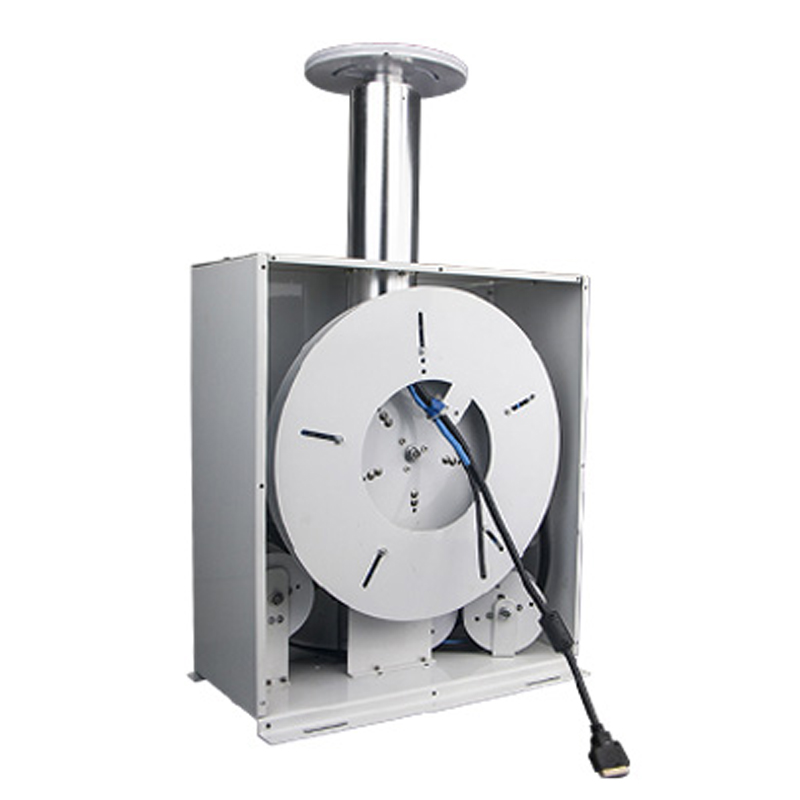
I have noticed that many buyers start from the wrong question. They ask for a low price before they ask how the equipment will actually be used. That sounds efficient, but it usually leads to frustration later. A conference room is not just a place to install devices. It is a space where image quality, room aesthetics, speaker visibility, table layout, and system coordination all need to work together.
When a camera is fixed in the wrong position, participants appear poorly framed. When the camera remains exposed all day, the room looks cluttered and less professional. When the lifting mechanism moves too loudly, the opening moments of a meeting feel awkward rather than polished. And when the lifting stroke is wrong, even a high-quality camera may fail to capture the room as intended.
This is exactly why the right Camera Lifter matters. It solves a group of small but expensive problems at the same time. It improves room appearance, protects equipment, supports a better camera angle, and makes the meeting environment feel more deliberate and more premium.
For many procurement teams, the difficulty is not understanding whether they need a lifting system. The real difficulty is understanding which product characteristics will still matter after installation, after months of daily use, and after the client starts expecting flawless operation.
What does a Camera Lifter actually do in a meeting room?
At its core, a Camera Lifter is a motorized lifting mechanism designed to raise and lower a conference camera or related audiovisual equipment in a controlled way. When the meeting starts, the camera rises into position. When the meeting ends, it retracts neatly back into the table, cabinet, ceiling structure, or other hidden mounting area depending on the project design.
That may sound simple, but the practical value is much broader. A lifting system gives designers and integrators more control over how technology appears inside a space. Instead of forcing the room to adapt to visible hardware, the hardware becomes part of a cleaner, more intentional environment.
In executive meeting rooms, that means a table surface can remain tidy. In government or institutional spaces, it helps create a more formal visual atmosphere. In training rooms and hybrid collaboration areas, it allows the camera to appear only when needed, keeping the room multifunctional rather than permanently dominated by equipment.
More importantly, the lifting mechanism can help place the camera at a more effective shooting height. This improves face-level capture, room coverage, and overall communication comfort for remote attendees.
| Function | What It Means in Practice | Why Buyers Care |
|---|---|---|
| Hidden storage | Keeps the camera out of sight when not in use | Improves room appearance and protects equipment |
| Motorized lifting | Raises the camera to a preset working position | Saves manual adjustment time and improves consistency |
| Stable support | Provides controlled movement for mounted devices | Reduces vibration and helps maintain camera accuracy |
| System coordination | Can work with broader AV control logic | Supports a more integrated meeting experience |
How does a Camera Lifter improve daily use?
Buyers often focus on the installation phase, but daily operation is where the real value shows up. A meeting room may host executive calls, client presentations, training sessions, internal reviews, and cross-border conferences. In that environment, convenience is not a luxury. It is part of operational efficiency.
Here are the biggest day-to-day improvements I see when the right Camera Lifter is used:
- Cleaner room presentation: the technology stays hidden until it is needed, so the table or room keeps a more refined visual identity.
- Better equipment protection: retracted equipment is less exposed to accidental contact, dust, and unnecessary handling.
- More professional meeting flow: opening a session feels smoother when devices appear quietly and predictably.
- Improved framing: the camera can be positioned at a more useful height for face-to-face communication.
- Higher room flexibility: multipurpose spaces do not have to look permanently configured for video conferencing.
- Reduced manual intervention: users do not need to reposition or store the camera manually after each meeting.
These details may seem small during procurement, but they influence how people feel in the room every single day. When the room looks sharp and behaves reliably, users trust the space more. That trust matters because it reduces hesitation, technical anxiety, and the need for constant staff support.
Which features should buyers compare before ordering?
Not all lifting systems are equal, and this is where many projects quietly go off course. A product may look similar in photos while performing very differently on-site. I always suggest comparing the following points before making a final decision:
| Feature | Why It Matters | What to Ask Before Buying |
|---|---|---|
| Lifting stroke | Determines whether the camera reaches the correct working height | Is the travel distance matched to the table or cabinet design? |
| Load capacity | Affects whether the unit can safely support the camera and accessories | What is the real load range under continuous use? |
| Operating noise | Directly affects meeting atmosphere | How quiet is the system during lifting and lowering? |
| Movement stability | Impacts camera shake and perceived product quality | Is the motion smooth under full load? |
| Control compatibility | Supports easier integration with room control systems | Can it work with project control logic or centralized AV control? |
| Customization options | Important for non-standard projects | Can length, mounting, or tray structure be adapted? |
| After-sales response | Important for engineering timelines and maintenance | What support is available after delivery and installation? |
I would also add one more point that buyers sometimes ignore: the product should fit the room strategy, not just the equipment list. A technically capable product that is difficult to install, awkward to control, or visually inconsistent with the furniture can still be the wrong choice.
This is where an experienced manufacturer becomes valuable. Guangzhou Junnan Audiovisual Technology Co,.Ltd. is known in this category for conference-oriented audiovisual solutions, and that context matters because a lifting product works best when it is developed with real meeting-room logic in mind rather than as an isolated mechanical part.
Where is a Camera Lifter most useful?
A Camera Lifter is especially useful in spaces where appearance, flexibility, and communication quality all matter at the same time. I usually see the strongest fit in the following environments:
- Corporate boardrooms
- Government conference halls
- University lecture and discussion rooms
- Training centers with hybrid participation
- Judicial or institutional hearing rooms
- High-end meeting spaces inside hotels or commercial centers
- Command rooms or project briefing centers
In each of these spaces, the challenge is slightly different. Some projects need visual cleanliness. Others need durability and daily repetition. Some clients care most about hidden design, while others care about quick deployment and integrated control. The right product should meet the dominant priority without sacrificing the basics.
This is also why one-size-fits-all language can be misleading. A buyer does not just need “a camera lift.” The buyer needs a system that matches room dimensions, camera weight, operation frequency, furniture structure, and the expected user experience.
How should you choose the right model?
If I were helping a client shortlist options, I would keep the selection process practical. Fancy wording does not install products. Clear project information does. Before ordering, I would confirm these six points:
- What camera will be mounted? Weight, dimensions, and mounting style affect compatibility.
- Where will the unit be installed? Table integration and hidden mounting structures require different planning.
- How high should the camera rise? The lifting distance must fit the final shooting position.
- How often will the room be used? High-frequency rooms need dependable motion and durable components.
- Will the room use central control? Integration requirements should be discussed early, not after installation.
- Is a standard or customized solution needed? Many premium rooms benefit from tailored dimensions or tray structure.
This is where a supplier conversation becomes very important. A good manufacturer should not only send a quotation. They should ask enough questions to prevent mismatches. That is usually a sign that the supplier understands engineering use rather than just catalog selling.
For clients building a polished conference environment, I strongly prefer solutions that combine smooth motion, quiet operation, stable support, and the flexibility to adapt to real room conditions. That combination protects the investment because it reduces the chance of replacement, rework, or user dissatisfaction after handover.
What common mistakes should be avoided?
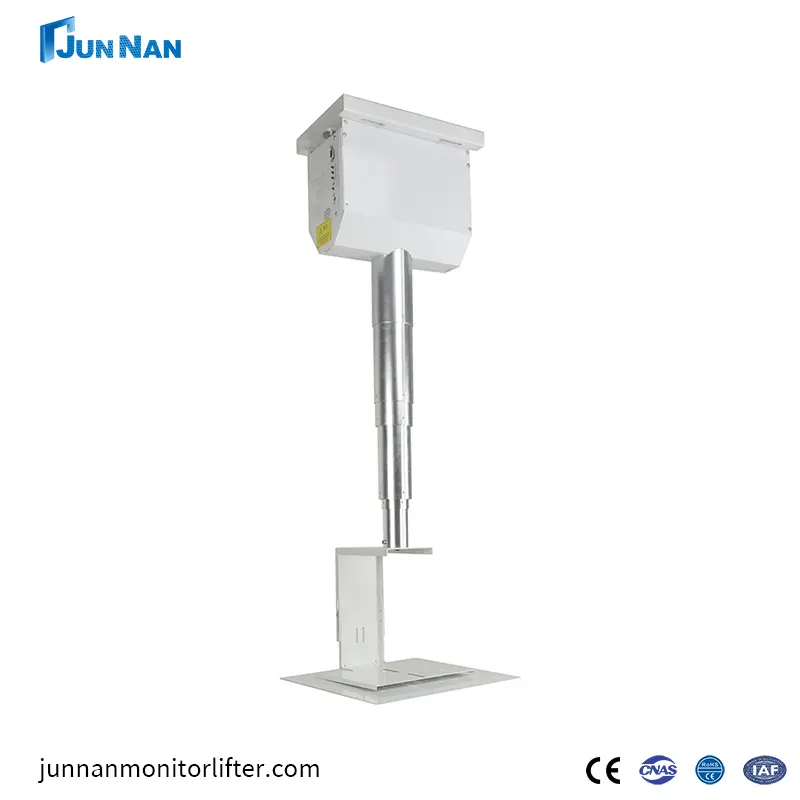
Even good products can disappoint when the buying logic is weak. These are the mistakes I see most often:
- Choosing by price alone: this usually ignores noise level, stability, and long-term reliability.
- Ignoring installation depth and space: the unit may not fit properly into the furniture or structure.
- Failing to match lifting height to camera needs: the camera ends up functional but ineffective.
- Overlooking control integration: users are left with an inconsistent or inconvenient operating process.
- Assuming all meeting rooms need the same solution: room size and usage style should shape the product choice.
- Not asking about service support: technical assistance matters when project deadlines are tight.
I think the smartest buyers are the ones who treat the Camera Lifter as part of the room experience rather than a hidden accessory. Once you take that view, the evaluation standard becomes clearer. You stop asking only whether the product can move up and down, and start asking whether it improves the room in a meaningful way.
FAQ
What is the main purpose of a Camera Lifter?
Its main purpose is to raise a conference camera to the correct working position when needed and hide it away when not in use. This improves room appearance, protects equipment, and supports a cleaner meeting experience.
Which rooms benefit most from a Camera Lifter?
Boardrooms, government conference spaces, training rooms, lecture halls, and any high-end hybrid meeting space can benefit from it, especially when design quality and AV coordination both matter.
Why is silent lifting important?
Quiet operation helps maintain a professional atmosphere. In premium meeting rooms, loud mechanical noise immediately lowers the perceived quality of the entire system.
Can a Camera Lifter be customized for special projects?
Yes, many projects require adjustments in length, mounting format, load support, or tray arrangement. Customization is often useful when room furniture or camera requirements are non-standard.
What should I prepare before asking for a quotation?
Prepare the camera model, load details, installation position, required lifting height, control requirements, and any furniture drawings or dimensions available. That makes supplier recommendations far more accurate.
What should you do if you want a more reliable Camera Lifter solution?
If your project needs a cleaner conference room layout, smoother camera deployment, and a more professional user experience, it is worth choosing a supplier that understands both mechanical lifting and audiovisual integration. A dependable Camera Lifter should not only fit the drawing. It should also make the room feel more refined, more efficient, and easier to use over time.
Guangzhou Junnan Audiovisual Technology Co,.Ltd. offers conference-oriented lifting solutions designed for practical engineering use, flexible project needs, and a better visual environment in modern meeting spaces. If you are comparing models, planning a new room, or looking for a customized solution for your camera system, this is the right moment to move from guesswork to a more informed decision.
Contact Us
Ready to find the right Camera Lifter for your conference room or audiovisual project? Contact us today to discuss your camera model, installation requirements, lifting height, and customization needs. Our team can help you identify a solution that fits your room design, supports reliable daily use, and delivers a more polished meeting experience.